


Srila Prabhupada Goshala, R R Nagar
Srila Prabhupada Goshala, R. R. Nagar is a sacred initiative dedicated to lifelong cow protection, where over 90 cows are lovingly cared for as mothers, not commodities. Rooted in Srila Prabhupada’s vision, the goshala promotes go-seva, sustainability, and spiritual awareness, nurturing both the cows and the human heart. It stands as a living example of compassion, devotion, and harmonious coexistence with nature, inspiring society to honor the sacred role of the cow in spiritual culture.


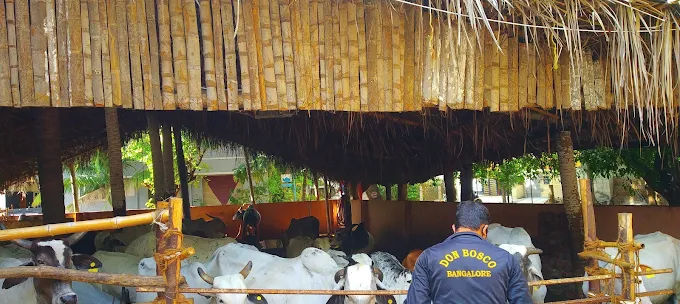
Srila Prabhupada Goshala, R. R. Nagar is a sacred center dedicated to go-raksha (cow protection)—a cornerstone of Vedic civilization. Inspired by the teachings and mission of His Divine Grace A. C. Bhaktivedanta Swami Srila Prabhupada, this goshala exists to provide lifelong shelter, care, and loving service to cows and bulls who are otherwise neglected, abandoned, or exploited in modern society.
At present, the goshala lovingly protects 90 rescued cows and bulls, all of whom have been saved from road accidents, highways, urban neglect, and life-threatening conditions. These gentle souls have found safety, dignity, and care here, regardless of age, productivity, or physical condition. The goshala is home to diverse indigenous Indian cow breeds, including Hallikar, Gir, Vechur, Malnad Gidda, Khillari, Deoni, and other native varieties—each preserved as part of India’s priceless bovine heritage.
In Vedic culture, the cow is revered as Gau Mata, the universal mother who selflessly nourishes human society. At Srila Prabhupada Goshala, cows are never treated as commodities. Each cow receives personal attention, timely medical care, nutritious fodder, clean shelter, and a peaceful, fear-free environment, reflecting the true spirit of compassion and gratitude taught in the scriptures.
The daily life of the goshala is spiritually vibrant. Gau-puja is performed every day at 7:30 AM and 6:30 PM, accompanied by chanting of the holy names and devotional activities. These sacred offerings create an atmosphere of purity, peace, and divine consciousness, benefiting both the cows and all who participate.
Cow dung and cow urine are responsibly and respectfully utilized for organic manure, natural pest control, and eco-friendly products, promoting sustainable living and environmental balance in harmony with nature.
Srila Prabhupada repeatedly emphasized cow protection as essential for true human prosperity and spiritual advancement. He writes:
“Cow protection is essential for the human society. Without cow protection, human civilization will suffer.”
— Srimad Bhagavatam 8.8.2, Purport
The goshala also serves as a center of learning and awareness, especially for children and youth. Through school visits, volunteer programs, and seva opportunities, visitors learn about the spiritual, ecological, and cultural importance of cows, reconnecting with timeless Vedic values rooted in compassion and responsibility.
Srila Prabhupada further explains the deeper spiritual dimension of go-raksha:
“Protection of the cows maintains the most important form of food, milk, which is indispensable for developing the finer tissues of the brain required for understanding spiritual knowledge.”
— Srimad Bhagavatam 10.5.20, Purport
Through festivals, spiritual programs, and community engagement, Srila Prabhupada Goshala, R. R. Nagar stands as a living testimony that true progress lies in compassion, devotion, and simple living with high thinking.
Visitor Guidance (Kindly Note)
All devotees and well-wishers are most welcome to visit the goshala and take part in go-seva.
Suggested food items for cows:
-
Green leafy vegetables
-
Regular vegetables such as tomato, carrot, cabbage, etc.
Important guidance:
-
Please avoid feeding too many bananas or excess jaggery to a single cow, as it may harm their health.
-
If bringing jaggery, kindly hand it over to the goshala staff, who will distribute it properly in safe portions among the cows.
Your mindful participation helps protect the health and well-being of Gau Mata and supports the sacred mission of the goshala.